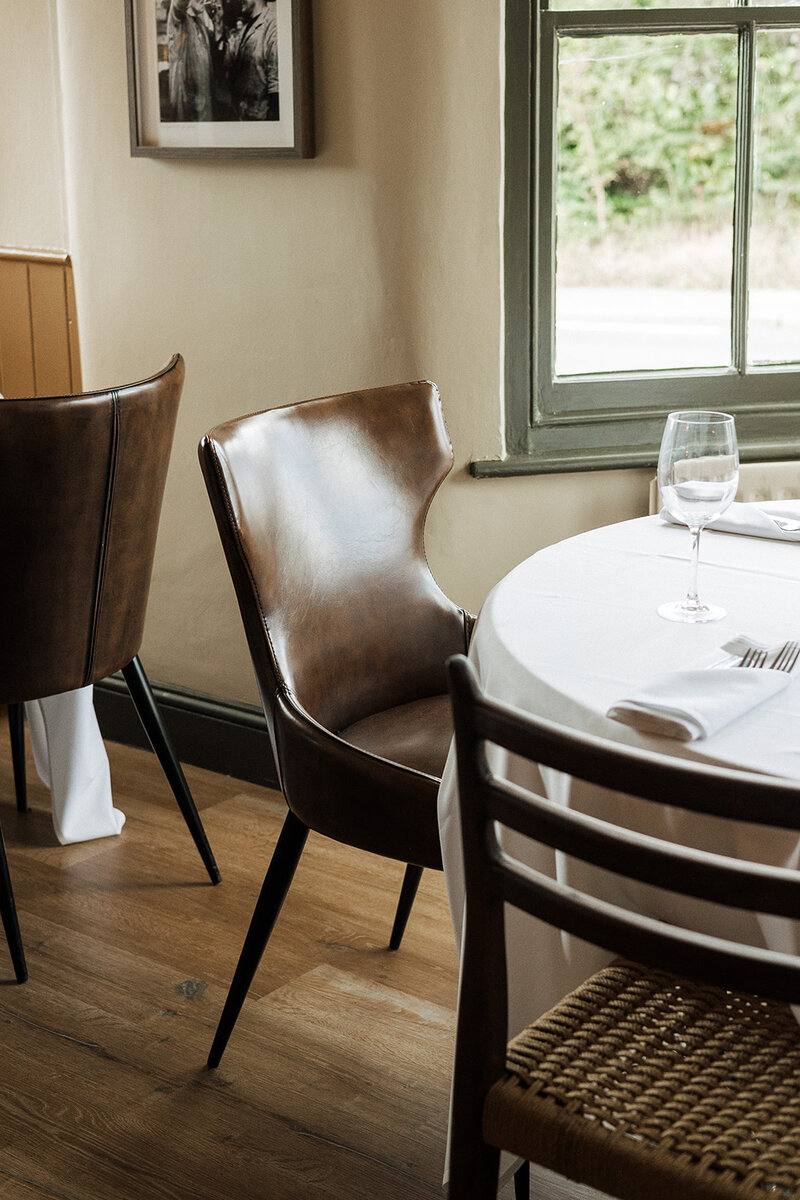
A reupholstered sofa keeps its original frame, springs and structure intact while renewing the fabric cover and cushion fill. Reupholstery works when the frame and internal structure are sound; the craftsman removes old fabric, assesses and repairs the frame if needed, replaces or refirms cushioning, and fits new fabric to the existing shape. It’s a full renewal of what you see and touch, not a replacement.
What part of the sofa actually gets replaced during reupholstery?
During reupholstery, the outer fabric cover is completely removed and replaced. The craftsman strips back to the frame, exposing the webbing, springs and internal structure. Old fabric, batting and dust cover come away. What remains is the wooden frame and the spring system underneath — the bones of the sofa. If cushions are original, they’re assessed and either refirmed with new internal fill or replaced entirely. The new fabric is then fitted and secured to that same frame, restoring the sofa’s visual appeal and usability without starting from scratch.
This distinction matters: you’re not buying a new sofa. You’re renewing the wearing layer. If your sofa has a frame that doesn’t flex, doesn’t crack and has legs that are sound, reupholstery retrieves what you owned. Frames that have failed — broken joints, split wood, collapsed webbing — are a different question, and an honest upholsterer will tell you before work begins whether the frame is worth recovering.
Why does a sofa worth keeping need reupholstery rather than replacement?
A sofa worth keeping is one where the frame, springs and internal structure still perform. Fabric wears first. It fades, it stains, it tears, it softens from use. But the frame underneath can outlast three fabric covers. Older sofas, especially mid-century and early modern pieces, often have hardwood frames and eight-way hand-tied spring systems that modern budget sofas don’t; replacing them with new furniture of similar quality costs far more than recovering the one you have. Reupholstery answers the practical question: the sofa still sits well, but looks tired. Refresh the surface, keep the structure.
Homeowners in Barking, Dagenham, Ilford and East London often choose reupholstery for sofas they’ve lived with for years. The shape fits the room. The proportions suit the space. The springs are settled and comfortable. Only the fabric has surrendered to time. Hospitality venues — pubs, restaurants, cafes — recover booth and banquette seating for the same reason: the structure is sound, the wear is cosmetic and functional, and downtime must be minimal. In those cases, recovering on-site or with quick turnaround makes business sense.
What happens to the frame and springs during the recovery process?
The frame is inspected once the old fabric is stripped away. Webbing is checked for sag or breaks; if it needs retightening or replacement, that happens now. Springs are tested for function. Joints are examined for movement or splits. Minor repairs — regluing loose joints, replacing worn webbing, adjusting spring tension — are carried out at this stage. The craftsman’s assessment determines whether the structure underneath is fit to support new fabric. If serious structural damage is found, you’re told upfront so you can decide whether to proceed or consider alternatives.
In most cases where a sofa is worth recovering, the frame proves sound. Old wooden frames are often stronger than contemporary equivalents. Springs settle but rarely fail outright. What’s being renewed is the working life of the piece: fresh webbing, new cushion fill, clean springs and a modern or period-appropriate fabric. The sofa that emerges has the comfort and structure of the original but the appearance and hygiene of new.
How much of the sofa's original shape and comfort is preserved?
Reupholstery preserves the sofa’s shape absolutely. The frame dictates the silhouette; new fabric simply clothes that frame. If the sofa was a high-armed Victorian piece, it remains so. If it was a low-slung modern sectional, that profile stays. Comfort follows from the frame and springs: if those are intact, the seat feel returns as soon as new cushioning is installed. Cushions are either re-filled with fresh foam or refirmed if the internal structure is sound, so the firmness is under your control when you specify materials.
One caveat: if cushions were worn flat from years of use, new fill will feel firmer than the settled version you remember. That can take a few weeks of use to soften naturally. The overall comfort of the sofa — how it supports, how it distributes weight, how deep or shallow the seat is — belongs to the frame, not the fabric, so it persists. What changes is the tactile sensation: new fabric feels different to touch than aged fabric, and cushions with fresh fill feel more resilient.
What should you expect before starting a reupholstery project?
Before committing, establish whether reupholstery is the right choice. Ask yourself: Is the frame still square, or does it twist or wobble? Do the springs sag noticeably or move independently? Are there cracks in the wood or loose joints? Do the legs stand firm? These are the questions an upholsterer will answer during an assessment. Contact a local upholsterer — not a call centre or franchise — and describe what you see. A craftsman working solo, like those covering East London and Essex, will give you a straight answer and a fixed quote within 48 hours, with no pressure. You’ll know the cost before the sofa is collected.
Fabric choice comes next. Browse samples, understand durability (wool and linen wear differently to synthetics), and pick a colour and texture that suits your space and use. If the sofa is in a high-traffic family room, durability matters more than on a formal piece. Once fabric is chosen and the quote accepted, the sofa is collected, the work happens, and it returns to you refreshed. The whole arc — from first conversation to final delivery — takes weeks, not months, because reupholstery is straightforward recovery, not construction.
When is reupholstery not the answer?
Reupholstery fails if the frame is compromised. A sofa with a broken frame, split hardwood that can’t be glued, twisted structure, or a collapsed internal webbing system is not worth recovering. The cost of structural repair often exceeds the value of the piece. Similarly, if the sofa is so worn that springs poke through the base and the frame has been supporting its own collapse for years, the damage may run too deep. An honest upholsterer will tell you this upfront. Don’t spend good money recovering a frame that will fail within a year.
Also ask: is the size and shape still right for your home? If you’re moving, downsizing or your taste has shifted fundamentally, a makeover doesn’t change the footprint or proportion. Reupholstery is about renewal, not reinvention. If you need a different piece altogether, replacement is the answer. But if you have a sofa whose structure you trust and whose shape and size suit your space, only the surface has aged. That’s when reupholstery delivers real value.