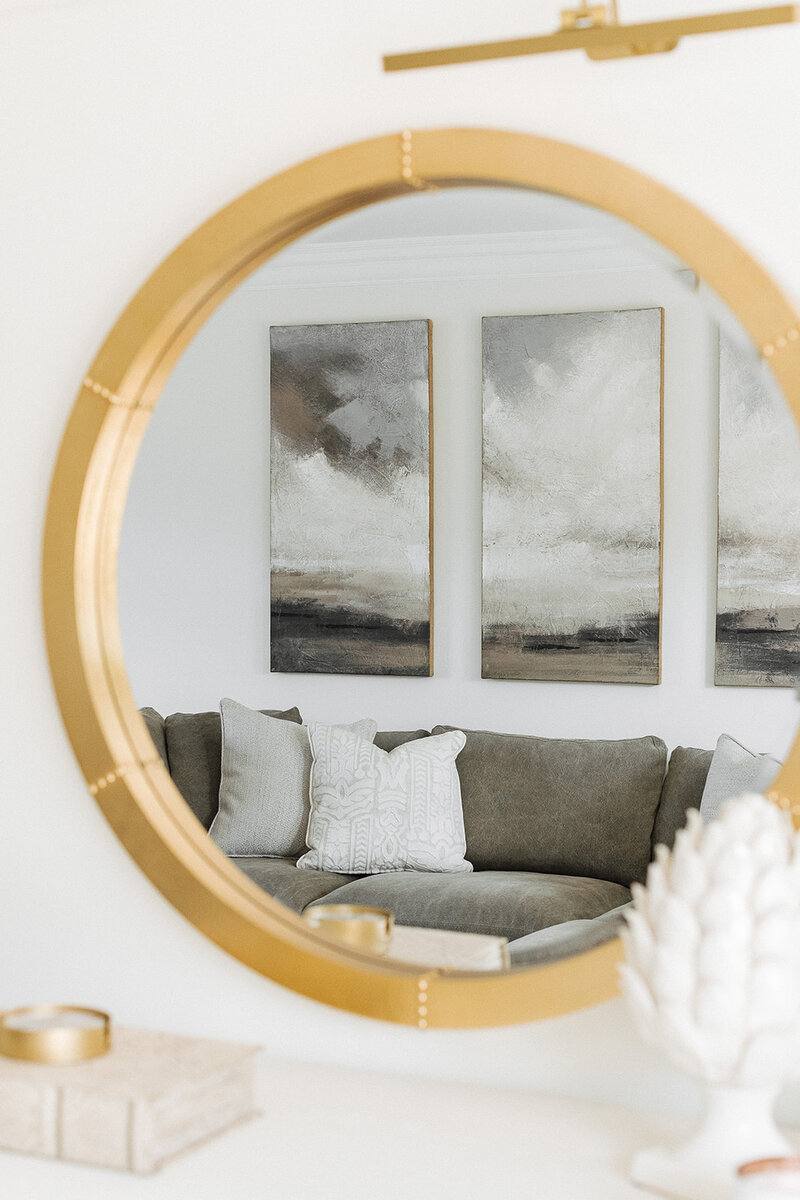
When you reupholster a sofa, the original frame stays; only the fabric, foam, and outer coverings are replaced. Herd Upholstery strips worn furniture back to its structure, rebuilds the padding and support, and wraps it in new fabric — restoring both function and appearance in one project. This guide shows you what that transformation looks like in practice.
Why the frame matters: what stays and what goes
The fundamental truth about reupholstery is this: a well-made sofa or chair frame is worth keeping. When your furniture arrives at the studio, the first stage is assessment. If the wooden frame is structurally sound — no cracks, no woodworm, joints still tight — it becomes the foundation for everything else. That frame is often the most expensive part of the original piece, and it’s what determines whether recovery makes sense at all.
What gets replaced is everything else: the outer fabric (the visible cover), the batting and padding underneath, the piping or trim, often the webbing or suspension system that holds the seat together. In some cases, if foam has compressed unevenly or springs have failed, those are rebuilt or supplemented. But the bones of the furniture — the frame itself — is cleaned, checked, and prepared to carry another decade or more of use. This is why a reupholstered piece can feel like a restored original, not an imitation.
What does the before stage really show?
A “before” photograph in upholstery is honest documentation. It captures wear that’s usually invisible until you look: fabric faded on one side from window light, seams splitting, piping worn through, foam dimpled or flattened where bodies have sat, possibly stains that have set into the weave. For pub and restaurant booth seating, the before image often shows the toll of years of service — edges rubbed raw, covers torn where zips have failed, colour loss from daily cleaning and contact. For residential furniture in Barking, Dagenham, and East London homes, it’s often a beloved sofa or armchair that still functions but has lost its appearance.
The before stage is also when structural decisions are made. If the frame has loose joints, they’re tightened or reinforced now. If suspension has sagged, webbing is replaced or springs are re-tensioned. If the existing padding is uneven, it’s stripped back to the frame. This work is invisible in photographs but fundamental to the after result. You’re not just covering up wear; you’re rebuilding the furniture to work properly again.
The recovery process: from stripping to wrapping
Once the frame assessment is complete, the old fabric is removed — carefully peeled back or cut away depending on condition. What emerges underneath varies. You might find original jute webbing, layers of different padding added over decades, or horsehair in vintage pieces. All of it is taken off. The frame is then cleaned and checked again. Any loose joints are fixed. Any damage to the wood is addressed. Then new webbing goes down (usually elasticated webbing for modern comfort), new foam is cut to size and fitted, and batting is wrapped over that to create a smooth surface.
New fabric is then measured and cut. This is where skill matters most. The cutter must account for the pattern, the pile direction (if the fabric has one), seam positions, and how the fabric will wrap around corners and through crevices. For a sofa with piping, the piping is usually remade with the new fabric, so the detail matches. Fabric is stapled underneath the frame, stretched to remove wrinkles without distorting the weave, and corners are folded and finished like a wrapped gift. The final stage is the base — usually a cambric or similar dust cover stapled to the underside of the frame to keep dirt out and give the piece a finished appearance.
What does the after look like?
The after photograph shows the same frame, now wearing new fabric. If you chose a colour or pattern similar to the original, the piece looks restored to its former self. If you chose something different, it looks refreshed or reimagined. The seams are tight, the piping is crisp, the fabric is smooth and even. Corners and curves are wrapped neatly. If the foam was rebuilt, the seat will feel firmer and more supportive than it did before recovery. If you specified different piping or trim, that detail is visible and intentional.
For commercial work — pub booths, restaurant banquettes, hospitality seating — the after image often shows how hard-wearing upholstery can transform a space. Worn, patched booth seating comes back as cohesive, durable, professionally finished banquettes. Residential pieces regain their place as focal points in living rooms. The transformation is both visual and functional: the furniture works harder, lasts longer, and looks like it’s worth sitting on again.
How to know if your furniture is worth recovering
Not every piece is a candidate for reupholstery. The first question is frame condition. If the wooden structure is sound, recovery is almost always viable and worthwhile. If the frame is broken, twisted, severely woodworm-affected, or has failed joints that won’t hold, the cost of restoration may exceed the value of the finished piece. A good upholsterer will tell you honestly which category your furniture falls into.
The second question is sentimental and practical value. Is this a piece you use daily or want to keep in your home? Is it structurally sound enough to be worth the investment? For commercial clients, the decision is simpler: booth seating that’s worn out but structurally intact is almost always worth recovering, because the alternative is replacement at significantly higher cost. Herd Upholstery provides a fixed quote within 48 hours of assessment, so you can make that decision with real numbers in front of you.
Real examples from East London and Essex homes
The designer and residential reupholstery portfolio held by Herd Upholstery shows real before-and-after work from homes across Barking, East London, and into Essex. These aren’t showroom pieces; they’re family sofas, inherited armchairs, and pieces that matter to the people who own them. Some were recovered in similar fabrics to preserve their original character. Others were updated with contemporary colours or patterns while keeping the same frame and structure. The consistency across these projects is straightforward: a well-made frame, properly assessed and recovered, emerges as functional furniture again.
What you notice across these examples is that reupholstery doesn’t try to hide the age or history of furniture — it restores it. A 1970s sofa with a solid frame comes back as a 1970s sofa that works properly, not a fake contemporary piece. That honesty is part of why before-and-after reupholstery is compelling: you’re not replacing the furniture, you’re rescuing it.