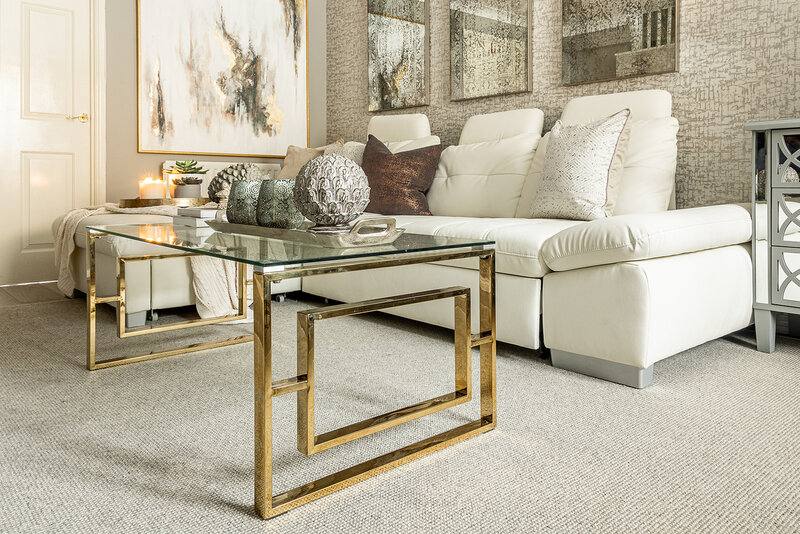
Upholstery costs depend on the frame condition, fabric choice, and labour complexity. A reupholstered sofa keeps its original frame — the work replaces the cover, padding and webbing. Herd Upholstery, serving Barking, Dagenham, Ilford and East London, quotes a fixed price within 48 hours of inspection, so you know the exact cost before work begins.
What is included in an upholstery quote?
A full upholstery quote covers three core elements: removal and assessment of the existing frame, recovery of the seating surfaces with new fabric and padding, and return delivery. The studio collects your piece, strip it to the frame, inspect the timber and webbing for damage, replace worn suspension systems, fit new foam or filling, cover it in your chosen fabric, and return it ready to use. This is not a surface refresh; it is structural restoration of a piece worth keeping.
The quote reflects the actual condition of your frame. A sound wooden frame with intact webbing costs less to recover than one requiring timber repair or complete webbing replacement. The studio assesses this during the initial inspection, which is why a fixed quote arrives within 48 hours of collection — the craftsman has seen the work involved. There are no hidden charges or surprise invoices after completion.
How does fabric choice affect the final price?
Fabric is the largest variable in upholstery cost. Budget-friendly options such as plain linen blends or contract-grade fabrics designed for heavy use (common in pub and restaurant booth seating) cost less than high-performance weaves, natural wool, or bespoke patterns. The width and pattern repeat of the fabric also matter: a large geometric repeat or a narrow bolt width may require more yardage to cut and match, increasing material cost and labour time.
Your choice of fabric does not change the quality of the structural work — recovery technique, frame inspection and padding remain the same whether you choose a modest cotton or a premium upholstery linen. The studio works with a range of fabric suppliers, so you control the budget at the material stage. Discuss fabric weight and durability with the craftsman when you inspect samples; a durable contract fabric on a domestic sofa saves money and extends the life of the reupholstery.
What makes one piece more expensive to recover than another?
Complexity drives cost. A simple two-seater sofa with a straight seat, back and arms costs less than a corner unit with multiple seating planes, deep buttoning, or loose cushions requiring individual recovery. Wingback chairs, Chesterfield sofas, or booth seating with piping and custom detailing require more time and skill. Curved arms, scrolled feet, and pattern matching on patterned fabrics all add labour hours.
Frame condition is equally decisive. A solid frame with intact webbing and springs moves quickly through recovery. A frame with broken timber joints, rusted spring systems, or degraded webbing requires repair before new upholstery begins. The studio inspects the entire structure and includes necessary repairs in the fixed quote. This transparency means you never face unexpected costs halfway through the job.
How do commercial and residential projects differ in cost?
Commercial booth and banquette seating in pubs and restaurants often costs less per unit than residential sofas because it uses hardwearing, pattern-free fabrics and simpler construction. The seating is typically linear, built into fixed frames, and requires no cushion recovery. Hospitality venues benefit from rapid turnaround and bulk orders; the studio works with venues to minimise downtime. A booth can return to service within the quoted timeline without closing the business.
Residential projects span a wider range because sofas and chairs vary greatly in age, construction and design. A mid-century sofa with original springs costs differently from a modern settee with stapled webbing. The studio serves the Barking, Dagenham and Ilford area with residential reupholstery that respects the original design intent of each piece — whether that is a heritage frame or a contemporary sofa worth saving.
Why get a fixed quote before work starts?
A fixed quote protects you from surprises. The studio collects your piece, inspects it fully, and returns a quoted price within 48 hours. That price holds for the agreed scope of work. No mid-job discoveries lead to additional charges; if structural repair is needed, it is identified and priced upfront. This certainty matters when you are investing in restoring a valued sofa or planning booth recovery for a hospitality business with a set budget.
The fixed-quote model requires the craftsman to assess risk and complexity accurately before committing. This is possible because Herd Upholstery is a single experienced upholsterer with direct responsibility for the work — no middleman or estimator who has not seen the piece in person. You are quoted by the person who will do the recovery, so the price reflects genuine knowledge of the job, not a standardised rate sheet.
How to plan your upholstery budget
Start by defining the scope. Is your sofa worth recovering, or is the frame beyond repair? Ask yourself: would I buy a replacement of equivalent quality for less? A well-made vintage sofa, a beloved family piece, or commercial seating that matches your venue’s layout often justifies recovery. Modern flat-pack sofas rarely do; the labour cost of recovery exceeds the cost of a new budget unit.
Once you decide to proceed, contact the studio with images and a description of the piece. Arrange collection at your convenience; the studio serves Barking, Dagenham, Ilford and across East London, with reach into Essex. After inspection, you receive a fixed quote. Then you choose your fabric. The total cost is the fixed labour quote plus fabric and materials. Allow 4–6 weeks for completion, depending on schedule and complexity. This timeline gives you time to budget and plan around delivery.