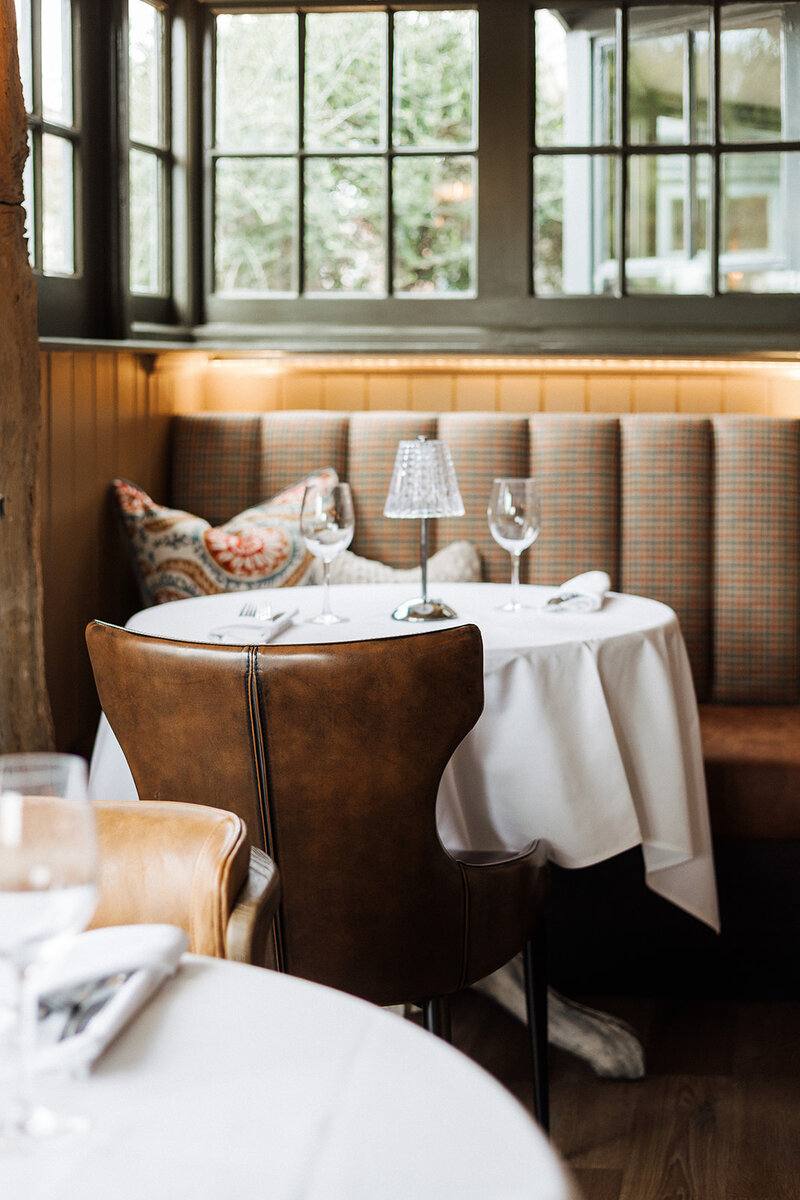
An Ernest Race chair is worth reupholstering because its frame is structurally sound and its design timeless; recovery restores function and appearance without replacing the original. The studio handles Ernest Race pieces as part of residential reupholstery across East London, treating the original frame as the asset and working with the chair's proportions to recover it honestly.
Who was Ernest Race, and why does his design still matter?
Ernest Race was a British furniture designer and manufacturer whose work defined post-war British design from the 1940s onwards. His pieces—particularly the BA chair and its variants—combined elegant simplicity with practical construction, making them both approachable and enduring. Race believed in honest materials and clean lines; his frames were built to last, which is why originals are still in homes and commercial spaces across the UK today.
What sets Race apart is restraint. Unlike some mid-century furniture that relied on visual spectacle, his chairs work because the proportions are right and the structure is sound. The frame does its job without fussiness. This means that when the original upholstery wears out—whether from use, age, or fashion—the chair itself remains a solid foundation for recovery. The design doesn't depend on elaborate padding or trendy fabric; it survives a straightforward reupholstery as well as it survived its first fifty years.
What condition do Ernest Race frames typically need to be in for reupholstery?
An Ernest Race chair is a candidate for reupholstery if the frame is square, the joints are tight, and the legs are intact. The frame doesn't need to be pristine—old glue, scuffs, and minor marks are normal—but it must be structurally sound. If the chair wobbles, creaks when you sit in it, or has visible splits in the wood, those issues need to be addressed before reupholstery begins, because new upholstery will only mask the problem, not fix it.
The studio assesses each frame during the initial enquiry. This is straightforward: a craftsman looks at the joint strength, wood condition, and overall stability. If repairs are needed—re-gluing, joint tightening, or wood consolidation—those happen first, during the recovery process, so you get a chair that's both cosmetically restored and structurally reliable. Many Ernest Race frames are actually in better condition than they appear under old upholstery; the original construction quality shows up once the chair is stripped back.
How does reupholstery actually work on a Race chair?
Reupholstery starts with collection. The studio collects the chair from your home or workplace in Barking, Dagenham, Ilford, or the wider East London and Essex area, then strips it back to the frame. This reveals what you're working with—the original webbing, springs (if any), and stuffing layers—and allows the craftsman to inspect and repair the frame if needed.
Once the frame is prepared, new materials go back on in order: webbing is re-tensioned across the frame base, springs are re-seated and tied if the chair originally had them, and new stuffing is layered to match the original profile. The key here is fidelity to the chair's original design. An Ernest Race chair shouldn't be re-padded into something soft and squishy; it should recover its original character—which is usually a modest, supportive seat with a clean line. Fabric choice happens before work begins; you select from available options, and the craftsman quotes a fixed price based on the material and labour involved.
The chair then returns to you—genuinely recovered, not cosmetically patched. The whole process takes weeks, not days, because the work is sequential and honest. There are no shortcuts; there's no reason for them.
What fabrics and finishes suit an Ernest Race chair?
Ernest Race chairs work well with natural, hard-wearing fabrics: wool, linen, heavy cotton, and wool-blend weaves. These honour the chair's character and wear visibly rather than fail catastrophically. A faded wool is still a wool chair; a pilled linen still functions. Leather is also appropriate for Race pieces, particularly the sleek variants of his designs.
What doesn't suit is engineered velvet or heavily stain-treated synthetics. Not because they're bad materials, but because they hide the honesty of the design. Race's chairs benefit from fabrics you can see and feel aging; they're built to be lived with, not preserved in aspic. The studio's residential portfolio includes East London and Barking recoveries where the owner has chosen durable, honest fabrics that complement the original intent. When you're selecting fabric, think about what the chair will be used for. A kitchen or study chair gets harder wear than a bedroom piece; choose accordingly, and the reupholstered Race chair will serve you another fifty years.
How much does it cost to reupholster an Ernest Race chair?
The studio publishes starting prices to give you a baseline. A single Ernest Race chair typically falls into the mid-range of residential reupholstery work—more than a simple office chair, less than a large sofa. The exact quote depends on the chair's condition, whether frame repairs are needed, and your fabric choice. The studio provides a fixed quote within 48 hours of your enquiry, so there are no surprises when the work begins.
The cost is usually justified because you're keeping a piece of furniture with real design pedigree and proven durability. A new mid-range dining or accent chair costs as much or more, and has a fraction of the longevity or character. With an Ernest Race chair, you're investing in recovery, not replacement. The studio works across residential projects in Barking, East London, and Essex; if you have a Race piece and are unsure about the cost, get in touch with a fixed quote. No pressure, no sales pitch—just a straightforward number.
Why choose a local craftsman for an Ernest Race recovery?
Reupholstery requires hands-on skill and judgment. A piece like an Ernest Race chair has proportions and detailing that matter; the webbing tension, the curve of the seat edge, the way the arms sit relative to the backrest—these are all learned through practice, not from a manual. A local craftsman who has handled mid-century British design, and who can inspect your chair before quoting, will understand what the original maker intended and how to honour it.
The studio operates as a single craftsman with no middleman or sales team. You're in direct conversation with the person doing the work. This means your chair gets individual attention, not batch-processing. It also means the quote you receive is the price you pay; there's no markup for overhead or third-party handling. For a piece like an Ernest Race chair—which is worth keeping properly—that direct relationship is worth the local relationship. Learn more about the studio's approach, or contact to discuss your chair.