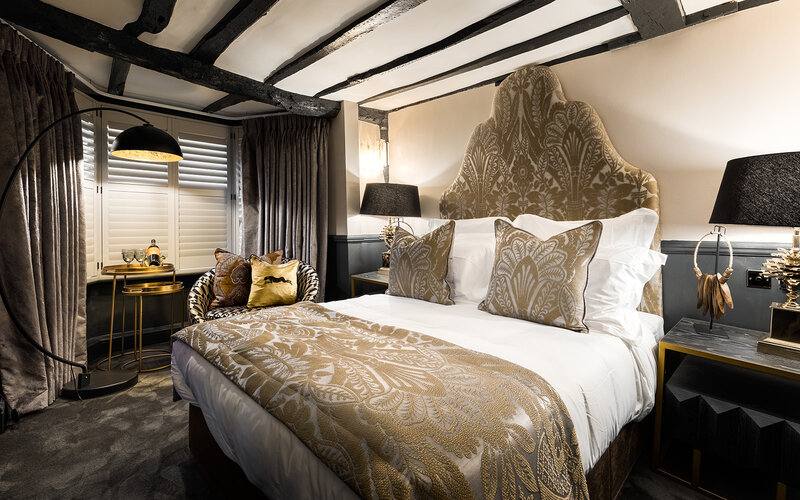
Gothic fabric is a dark, often richly patterned upholstery material—typically featuring deep blacks, purples, burgundies or jewel tones—used to recover sofas, armchairs and commercial booth seating. It works equally well in residential living rooms and hospitality venues. The style suits period frames and modern ones alike; durability depends on fibre content and weave, not the darkness of the colour.
What defines gothic fabric as a material choice?
Gothic fabric is defined less by a single fibre type than by its aesthetic: deep, dramatic colouring paired with ornate patterns or bold textures. You will find gothic upholstery in velvet, jacquard weave, damask, tapestry and occasionally linen blends. The common thread is richness—a sense of weight and visual depth. In practice, a gothic sofa works because the dark palette hides everyday marks (dust, pet hair, minor stains), whilst the pattern or texture adds visual interest that reads as intentional design rather than wear.
The material sits at a crossroads between interior tradition and accessibility. A Victorian or Edwardian frame recovers beautifully in gothic fabric; so does a contemporary flat-armed sofa, where the contrast between clean lines and ornate upholstery becomes a deliberate design choice. Across Barking, Dagenham, Ilford and East London, householders often choose gothic fabrics when recovering inherited sofas—the dark tones and period-friendly patterns align with original design intent. Commercial venues—pubs, restaurants, private dining rooms—favour gothic booth and banquette seating for the same reason: durability to hide wear, and an atmosphere that reads as intentional and finished.
How durable is gothic upholstery, and what fibres wear best?
Durability is not determined by colour darkness; it rests on fibre and construction. A loosely woven gothic cotton will show wear and pill faster than a tightly woven gothic velvet or wool blend. Weight matters: heavier fabrics (over 10 oz per yard) resist abrasion and sagging better than lightweight ones. Wool, linen and high-quality synthetic blends hold their shape and resist pilling. Pure cotton, if loosely constructed, may soften or thin with heavy use.
When considering gothic fabric for a sofa or chair you plan to keep for years, examine the weave density and ask about fibre composition. A jacquard weave (interlocked pattern threads) is more durable than a printed pattern on a plain ground, because damage to the surface does not reveal a lighter base layer. In hospitality settings—where booth seating takes constant contact—a dense velvet-weight gothic jacquard or a wool-rich blend withstands daily use without visible fading or pilling. A reupholstered sofa keeps its original hardwood frame; the fabric alone determines how it ages. The studio recovers domestic and commercial seating with equal attention to fibre choice, matching the fabric weight to the frame quality and intended use.
Where does gothic fabric work best in a room or venue?
Gothic upholstery suits rooms with ambient or controlled lighting. In bright, south-facing lounges, deep purples and blacks can read as heavy; in evening-lit dining rooms, living rooms with lamps, or hospitality venues with atmospheric lighting, the same fabrics appear rich and intentional. The darkness absorbs light rather than reflecting it, which creates visual calm and focus—ideal for reading spaces, studies, or restaurant booths where the goal is intimate conversation.
Domestically, gothic fabric works in period properties (where it echoes original taste) and modern interiors (where it provides visual anchor and drama). East London properties—Victorian terraces, converted warehouses, period flats—often benefit from gothic recovery because the material complements original cornicing, fireplaces and proportions. For commercial use, pubs and restaurants with period interiors or those deliberately cultivating a lived-in, traditional atmosphere find gothic booth seating appropriate and practical. The colour hides wear, the pattern reads as purposeful design, and replacement covers remain straightforward when the frame outlasts the fabric.
What is the process for reupholstering a sofa in gothic fabric?
Reupholstery begins with your choice of sofa or frame and your preferred gothic fabric. You contact the studio with a photo and description; a fixed quote arrives within 48 hours. The studio collects the piece from your home or venue, strips the existing upholstery, assesses the frame for repair (woodworm, loose joints, sagging webbing), and recovers it in your chosen fabric using traditional techniques. The work protects the original frame—the structural investment—whilst giving it new life.
Gothic fabrics often come from fabric retailers, online merchants or the designer and residential reupholstery portfolio the studio has worked with. You select the fabric, or the studio advises on durability and suitability based on your room, lighting and use. Once recovery is complete, the studio returns the piece to you. The entire process is transparent: you know the cost before work begins, there are no surprise charges, and the sofa that returns is the same one that left, only renewed.
How much does gothic fabric reupholstery cost?
The cost depends on the sofa or chair size, frame condition, fabric choice and any repairs needed. A two-seater sofa in a medium-weight gothic fabric starts at a published base rate; larger pieces, frames needing structural work, or premium fabrics increase the price. The studio provides a fixed quote within 48 hours of receiving your details—no ambiguity, no adjustments after work begins unless you request additional repairs and agree the cost.
The value lies in keeping a frame worth saving rather than replacing the whole piece. An original Victorian or mid-century frame, professionally recovered, outlasts a mass-produced sofa bought new. Gothic fabric, because it hides wear and suits both traditional and modern interiors, protects your investment: you avoid dated patterns and colours that limit your room's future flexibility. If you have a sofa worth recovering, contact the studio with a photo and measurements—a quote will arrive within two days, with no obligation.
Can gothic fabric be mixed with other design styles?
Yes. Gothic upholstery pairs well with mid-century and industrial interiors, where the ornate fabric contrasts with clean lines and raw materials (exposed brick, steel, concrete). In maximalist schemes, gothic sofas anchor the room and unify busier patterns and colours around them. In minimalist spaces with few pieces, a single gothic armchair becomes a focal point and conversation starter. The key is intention: the gothic sofa or chair should feel chosen, not accidentally dark or dated.
In practice, many East London householders use gothic recovery to breathe new life into inherited frames that no longer match their current décor. A Victorian sofa in a modern flat, a 1970s Parker Knoll chair in a contemporary home—both recover well in contemporary gothic fabrics that read as intentional design choice rather than period pastiche. The studio has completed residential recoveries that bridge these gaps, matching sofa frames to fabric choices that suit the home they inhabit.