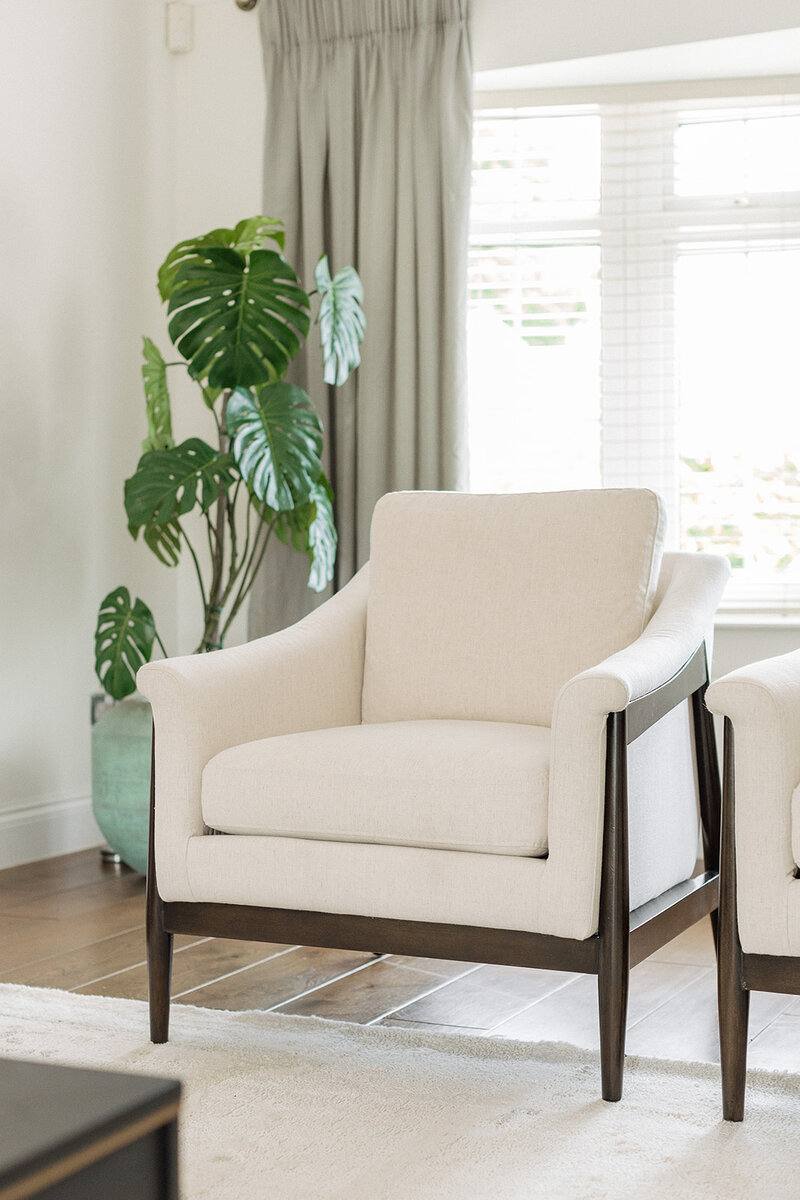
A reupholstered sofa keeps its original frame and structure intact; the upholsterer strips the old fabric and padding, repairs or reinforces the frame if needed, rebuilds the cushioning and suspension, then covers it all in new fabric. The before-and-after difference is dramatic because the work is invisible—you get back a sofa that looks and feels new, but the bones are the same piece of furniture you’ve owned for years.
Why the frame stays but everything else comes off
The frame of a sofa—the wooden skeleton that holds the shape—is almost always the most durable part. It’s built to last decades if the wood is sound. When you bring a sofa in for reupholstery, the first step is stripping: removing every scrap of old fabric, padding, webbing, and staples. This exposes the frame completely. If the wood is cracked, the joints are loose, or the springs have rusted or collapsed, this is when those faults become visible and can be fixed. The frame inspection determines whether your sofa is worth recovering at all—a frame with deep rot or broken joints may not justify the cost of reupholstery, but a structurally sound frame, even from a 20- or 30-year-old sofa, is a solid foundation for a full recovery.
This is why before-and-after photographs can be deceptive if they don’t show the stripping stage. You’re not looking at two different sofas; you’re looking at one sofa at two different stages of its life. The frame is the same object. What has changed is everything wrapped around it—and that change is why the sofa looks and feels new again.
What gets rebuilt during recovery
Once the frame is stripped and inspected, the upholsterer rebuilds the sofa from the inside out. New webbing (the fabric strips that support the seat) is stretched and stapled underneath. Springs are either reused if they’re sound, or replaced. Padding—traditionally horsehair, jute, or modern foam—is layered over the frame and springs to create the shape and comfort of the seat, back, and arms. This layering is craft work: the density, thickness, and placement of padding directly affect how the finished sofa feels to sit on. A sofa that sags in the middle is often the result of compressed or damaged padding, not a broken frame. New padding restores the original support and shape.
The suspension system (the springs and webbing that support your weight) is critical. If the original springs are intact, reusing them saves cost and often preserves the original comfort feel of the sofa. If they’re broken or rusted, new springs must be installed and properly tensioned. This is invisible in the before-and-after photo, but it is the difference between a sofa that feels tired and one that feels properly supportive again.
How fabric choice changes the before-and-after story
The fabric you choose for recovery is what transforms the visible appearance of the sofa. You might choose to match the original upholstery exactly, or you might select something entirely different—a colour that suits your room now, a more durable weave if the original wore quickly, or a texture that changes the whole feel. This choice is entirely yours, and it explains why two sofas reupholstered by the same studio can look completely different in their after photos. One sofa might return to grey linen; another might emerge in a deep blue wool or a patterned fabric that was nowhere near the original.
Fabric durability also matters to the longevity of the reupholstery. Natural fibres like wool and linen age gracefully but show wear faster than synthetic blends. High-performance fabrics resist staining and are easier to clean, which appeals to households with children or pets. The studio can advise on durability and maintenance, but the choice reflects your priorities: aesthetic preference, budget, and how hard the sofa will be used.
What you lose and what you gain in a before-and-after recovery
You lose the worn appearance—stains, fading, rips, and sagging—and you gain a sofa that looks fresh. But you also gain restored structural integrity if the frame was sound. A sofa that was uncomfortable because the padding had compressed regains its original support. A seat that had developed a sag in the middle sits level again. Springs that had lost their tension bounce back. These aren’t cosmetic changes; they’re functional restoration.
What you keep is the fundamental character of the sofa. Its size, shape, and proportions remain the same. If it was a three-seater with high arms, it’s still a three-seater with high arms—just wrapped in new skin. For many homeowners and business owners in Barking, Dagenham, Ilford, and across East London and Essex, this is exactly the point: they own a sofa or booth seating that fits their space and suits their needs structurally. Reupholstery lets them keep that piece and restore it without replacing it.
When to reupholster vs. when to replace
A sound frame and functional suspension system are the deciding factors. If the sofa is still structurally solid—joints are tight, wood isn’t rotted, springs aren’t completely collapsed—reupholstery makes economic and practical sense. If you find that the fabric is worn but the comfort is still there, or the comfort has suffered but the frame is fine, recovery restores both. If the frame is damaged beyond repair or the springs have completely failed and the cost to rebuild rivals the cost of a new sofa, replacement may be the better choice.
For pubs and restaurants that need booth or banquette seating recovered, reupholstery offers a specific advantage: the studio can work to a collection and return schedule that keeps disruption to trading hours minimal. The sofa doesn’t need to be replaced and reinstalled; it’s recovered on-site or collected, recovered, and returned.
How the reupholstery process is quoted and managed
A reupholstery quote begins with inspection. The studio assesses the frame, suspension, and padding during a site visit or when the sofa is brought in. A fixed quote is provided within 48 hours, with no hidden costs or surprises. This clarity is important: you know the total cost upfront before the work begins, and you know exactly what will be done. Fabric cost is separate from labour, so you control how much you spend on the cover material.
The studio collects the sofa, carries out the recovery in stages (stripping, frame inspection and repair if needed, rebuilding the suspension and padding, then covering in your chosen fabric), and returns it to you. The process is straightforward and transparent—no middleman, no sales team, just a craftsman working on your sofa and keeping you informed. For prospective clients deciding whether reupholstery is right for them, this process is designed to remove uncertainty and deliver a sofa that looks and feels restored.