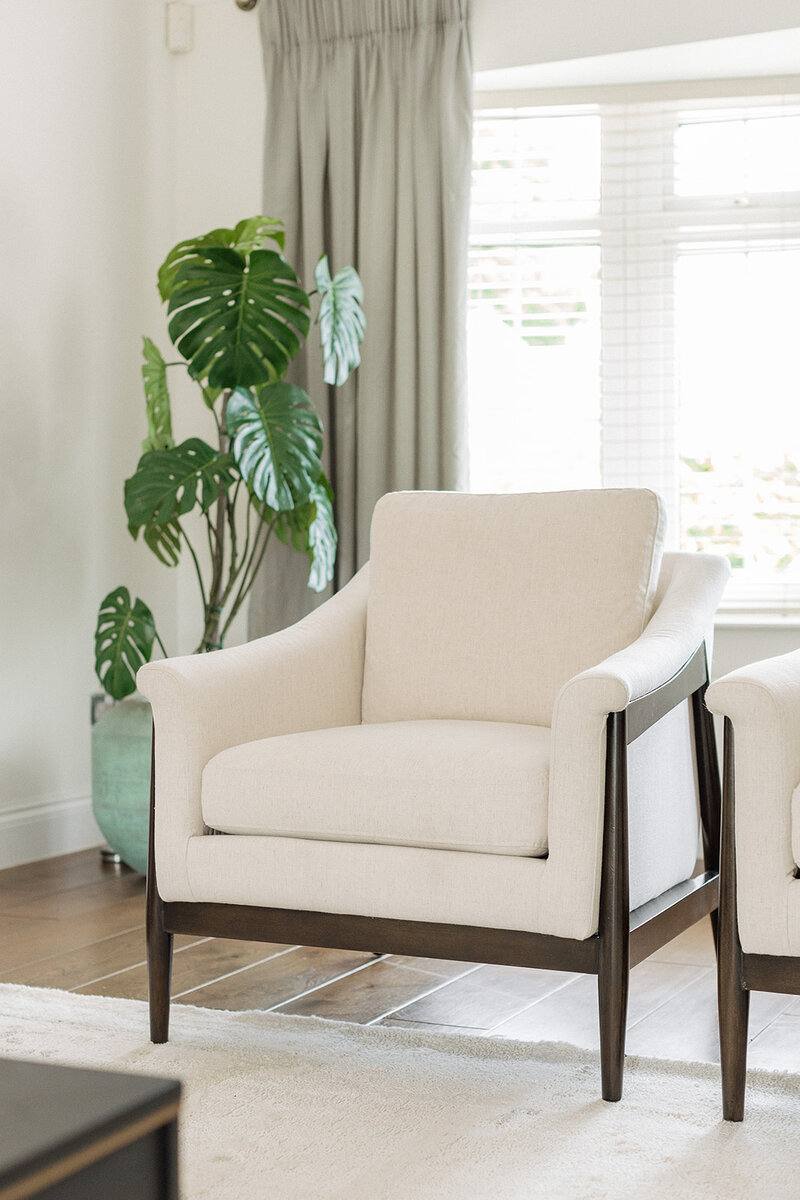
Upholstered seating is furniture with a wooden or metal frame covered by layers of padding, springs, and fabric or leather. The frame is the structural core; the upholstery is the covering and comfort system wrapped around it. Recovery — stripping and reupholstering — restores worn pieces without replacing the frame, making it a practical and cost-effective choice for sofas, chairs, and commercial booth seating that have sound bones but tired fabric.
What exactly makes seating ‘upholstered’?
Upholstered seating is built in layers. At the core is the structural frame, traditionally made from beechwood, birch, or other hardwoods in residential furniture, or steel in commercial booth and banquette seating. This frame gives the piece its shape and strength. Above the frame sit the support systems: springs (coil, serpentine, or webbing), which allow the seat to absorb and distribute weight, and then layers of padding — traditionally horsehair, wool felt, or modern polyester — that create comfort and shape. The outermost layer is the cover fabric or leather, which is hand-stitched or stapled to the frame edges.
The key distinction is that upholstered seating is not solid wood or moulded plastic. The padding and fabric or leather are essential to its function and appearance. A wooden chair with just varnish is not upholstered; a chair with a fabric-wrapped cushion seat and fabric-covered sides is. This distinction matters because it affects how the piece ages, how it can be repaired, and whether recovery is a viable option.
How does upholstered furniture differ from other types of seating?
Upholstered seating stands apart from solid wood chairs (which rely on the wood’s strength alone), moulded plastic or metal chairs (which have no padding layer), and fully cushioned seating like bean bags (which have no structural frame). A reupholstered sofa keeps its original frame; a new sofa replaces the entire piece. The frame is the asset; the fabric and padding are consumables that wear and can be replaced.
In commercial settings — pubs, restaurants, cafés, and hotels across East London and Essex — booth and banquette seating is upholstered for durability and appearance. Because the frame is fixed and built-in, recovery is often the only practical way to refresh it without major renovation work. Residential sofas and armchairs work the same way: if the frame is sound and the structure has not sagged or cracked, recovery can add years of life without the cost or disruption of replacement.
What are the main components of upholstered seating?
Every piece of upholstered seating contains five core elements: the frame, the suspension system (springs or webbing), the padding, the cover fabric or leather, and the trimmings (piping, studs, or nails that finish the edges). In a well-made sofa or chair, each layer serves a purpose. The frame is engineered for weight and shape; the springs distribute pressure and allow flexibility; the padding creates comfort and contours; the fabric or leather provides durability and aesthetics; and the trimmings seal and finish the work.
During recovery, a professional upholsterer assesses each layer. If the frame is solid and the springs or webbing are intact, only the padding and cover need replacement. If springs are broken or webbing has deteriorated, those are repaired or renewed as part of the recovery process. This layered approach is why recovery is cost-effective for residential and commercial seating in Barking, Dagenham, Ilford, and across East London: the most expensive component — the engineered frame — is kept and reused.
Why does upholstered seating wear, and what does recovery involve?
Upholstered seating wears because the cover fabric and padding absorb daily use, sunlight, moisture, and body oils. Fabric fades, pilling occurs, seams split, and stuffing compresses or shifts. The frame underneath may remain perfectly sound for decades, but the upholstery becomes tired, stained, or threadbare. This is where recovery comes in: the old cover and often the old padding are stripped away, the frame is inspected and cleaned, and new padding and fabric are installed, using the same structural foundation.
Recovery for residential pieces — sofas, wingback chairs, footstools — typically follows the same workflow: the piece is collected, brought to the studio in Barking, stripped back to the frame, assessed for any frame repairs or spring issues, rebuilt with new padding and fabric, and returned within a reasonable timeframe. For commercial booth and banquette seating, the same process applies, but the work is often done on-site to minimise disruption to the business. The result is seating that looks and feels new without the environmental or financial cost of replacing the entire piece.
When is recovery the right choice, and when should you replace?
Recovery makes sense if the frame is structurally sound — no major cracks, splits, or warping — and the overall shape and design of the piece suit your space and taste. A reupholstered sofa keeps its original frame, so if you like how it sits and looks (minus the worn fabric), recovery restores it. If the frame is broken, sagging severely, or infested, replacement may be the only option. If you dislike the piece’s style or dimensions, buying new is more practical than recovery.
For business owners in East London, Essex, and surrounding areas, recovery is particularly valuable for booth seating, banquettes, and chairs that are fixed in place or integral to the design. Replacing built-in seating is costly and disruptive; recovering it in durable, colour-matched or updated fabric renews the space for a fraction of the cost and keeps the business open during the work. A fixed quote within 48 hours — no surprises, no hidden charges — makes the decision clear.
How do you choose fabric or leather for recovered seating?
When upholstery is recovered, the choice of cover fabric or leather is yours. Residential clients often prioritise comfort, durability, and appearance: natural fabrics like linen and wool are popular, as are hard-wearing blends and leather. Commercial clients — pub and restaurant owners — typically choose fabrics rated for heavy use and easy cleaning, often vinyl or performance-blend fabrics that resist staining and wear from constant contact.
Your upholsterer can advise on fabric weight, weave, and durability based on the piece’s use. A sofa in a busy family home needs tougher fabric than a rarely-used bedroom chair. Booth seating in a high-traffic pub needs different handling than lounge seating in a quiet café. The recovered piece is only as good as the fabric you choose, so matching the material to the intended use ensures the recovery investment pays off for years to come. Your upholsterer will provide samples and guidance during the quoting process.